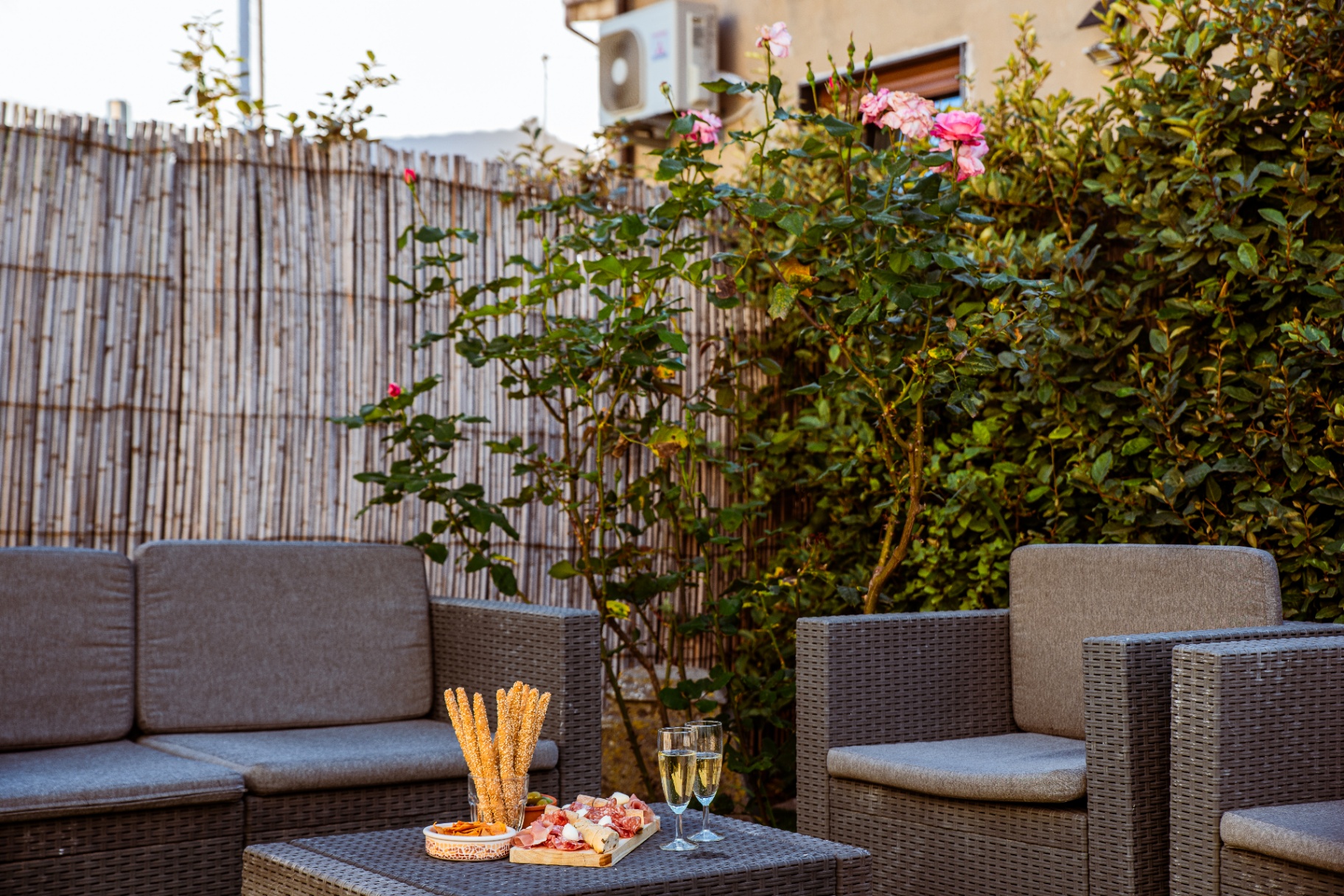
A coastline still wild
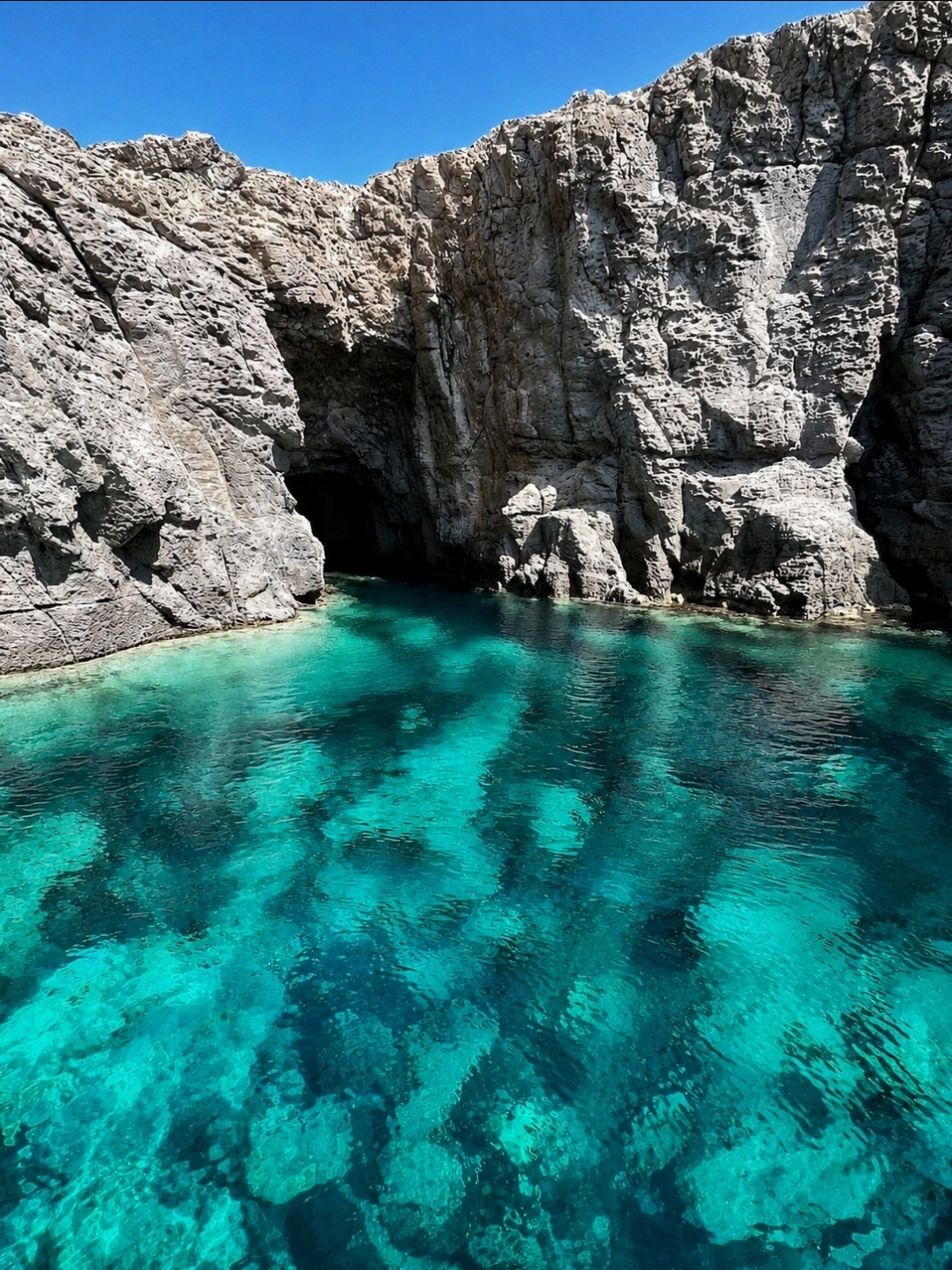
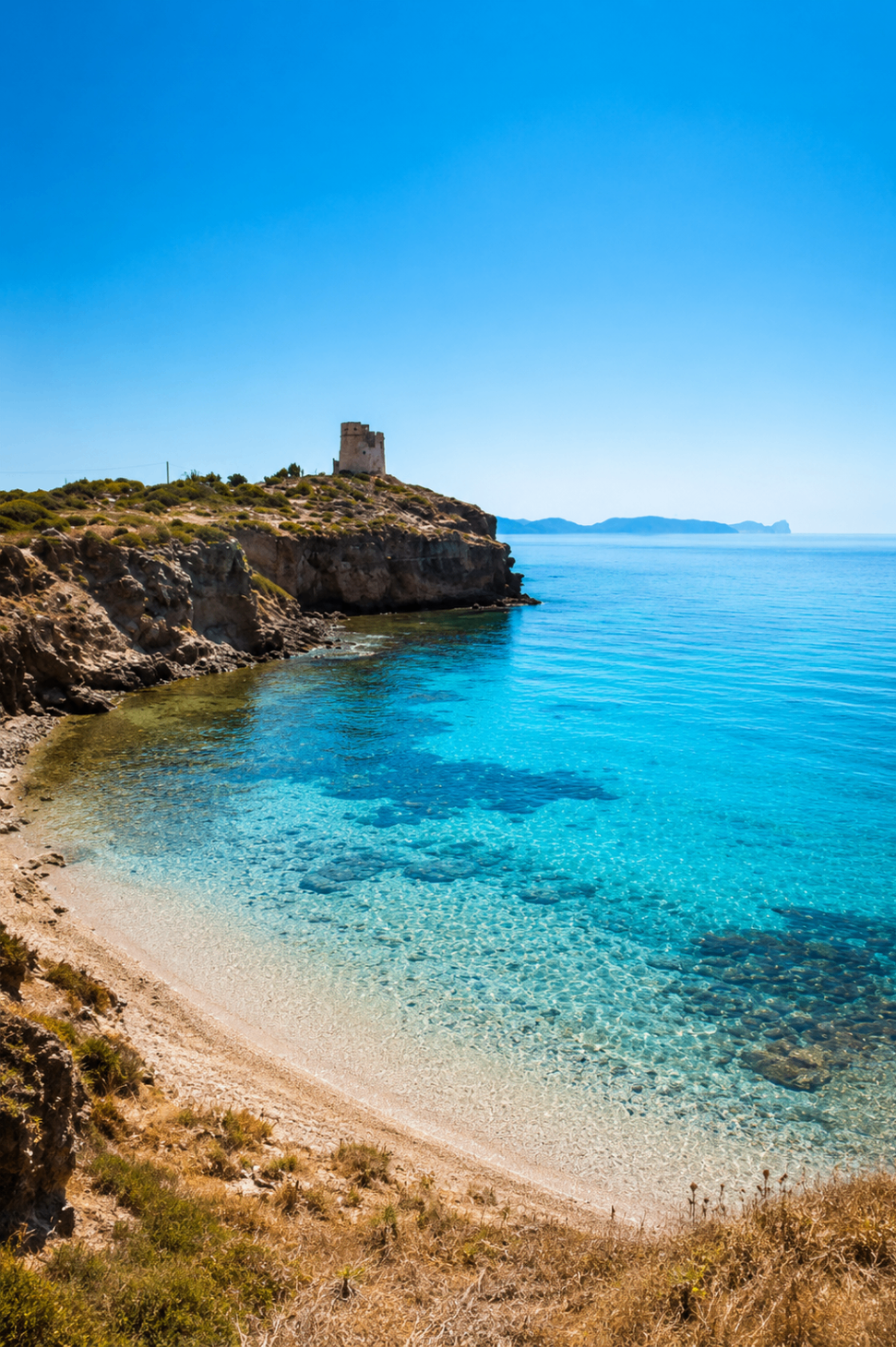
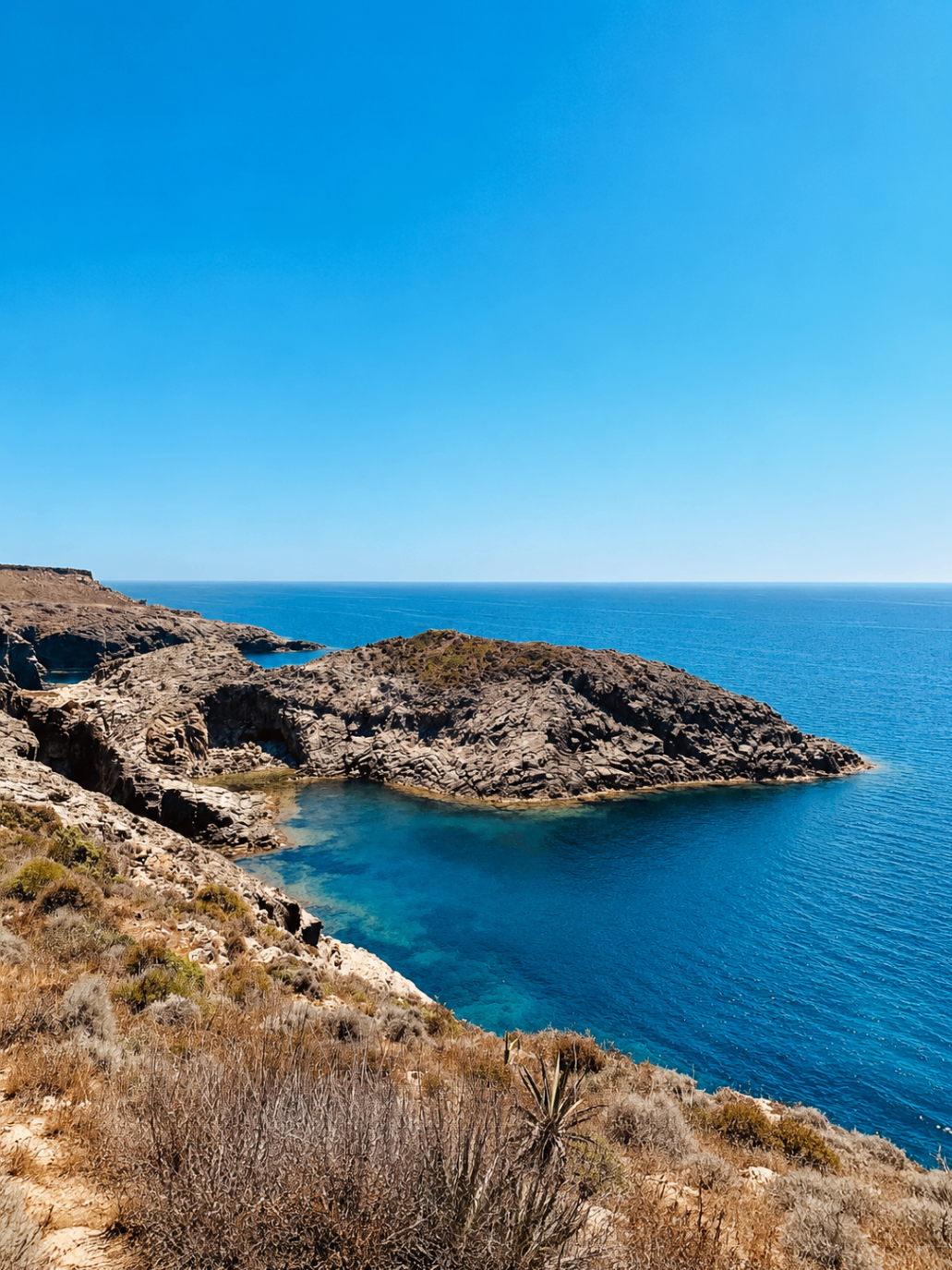
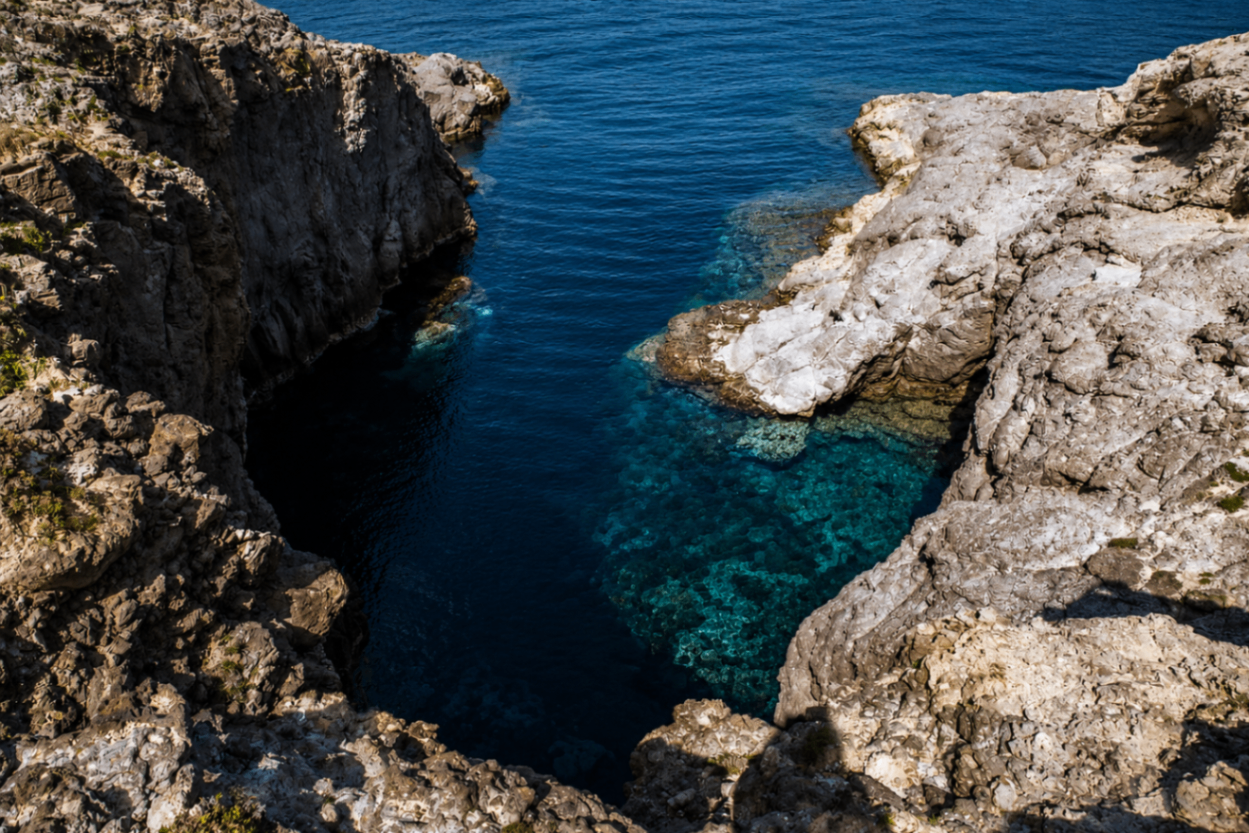
Sea caves, volcanic cliffs and clear coves shape a coastline best explored from both its paths and the water.
The destination
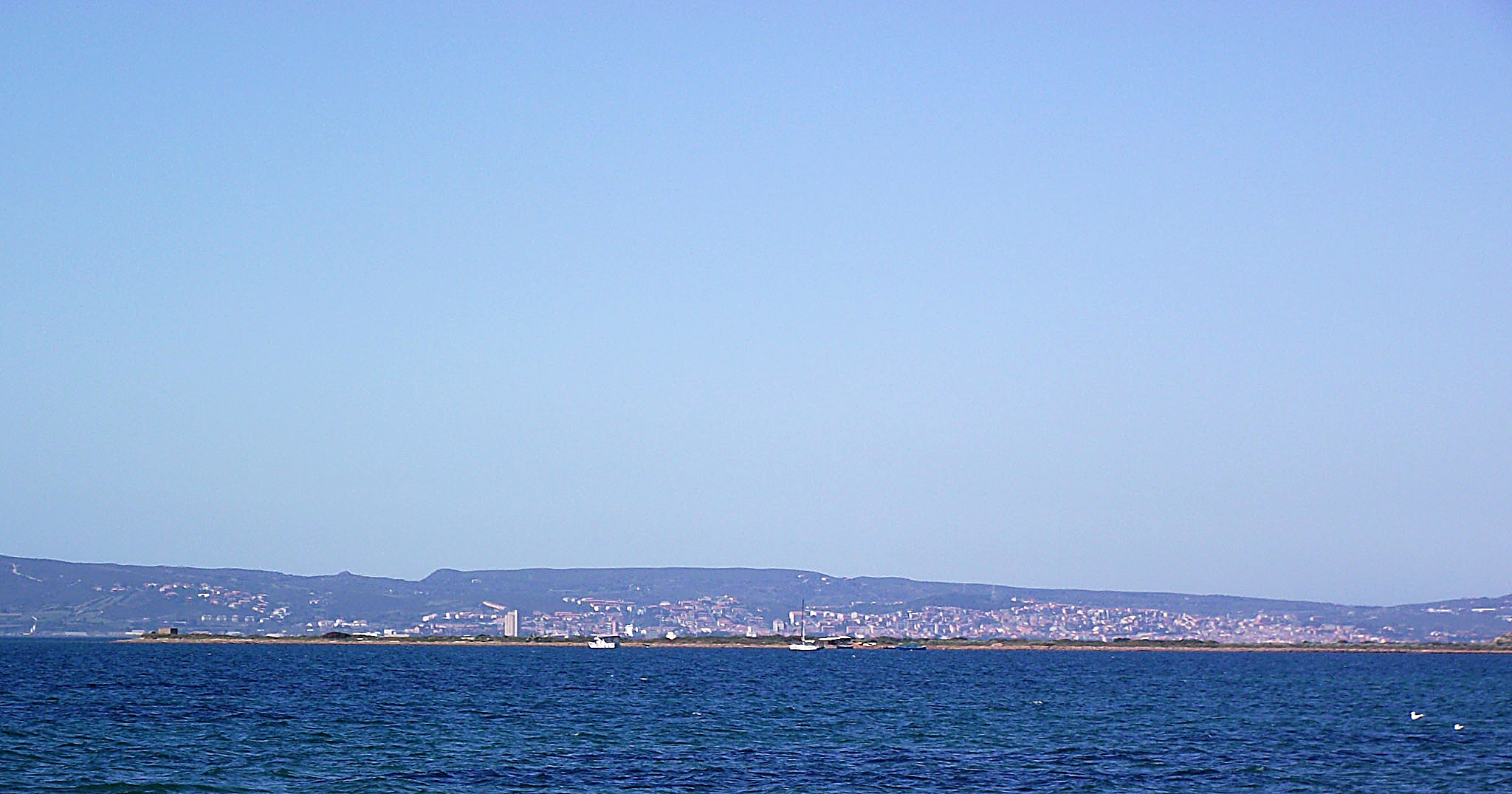
The largest island of Sardinia after Sardinia itself. Linked by an isthmus, lived in all year round, still spared by mass tourism.
In pictures
Sant'Antioco from the inside: coves, backstreets and the light of south-west Sardinia.
Sea caves, volcanic cliffs and clear coves shape a coastline best explored from both its paths and the water.
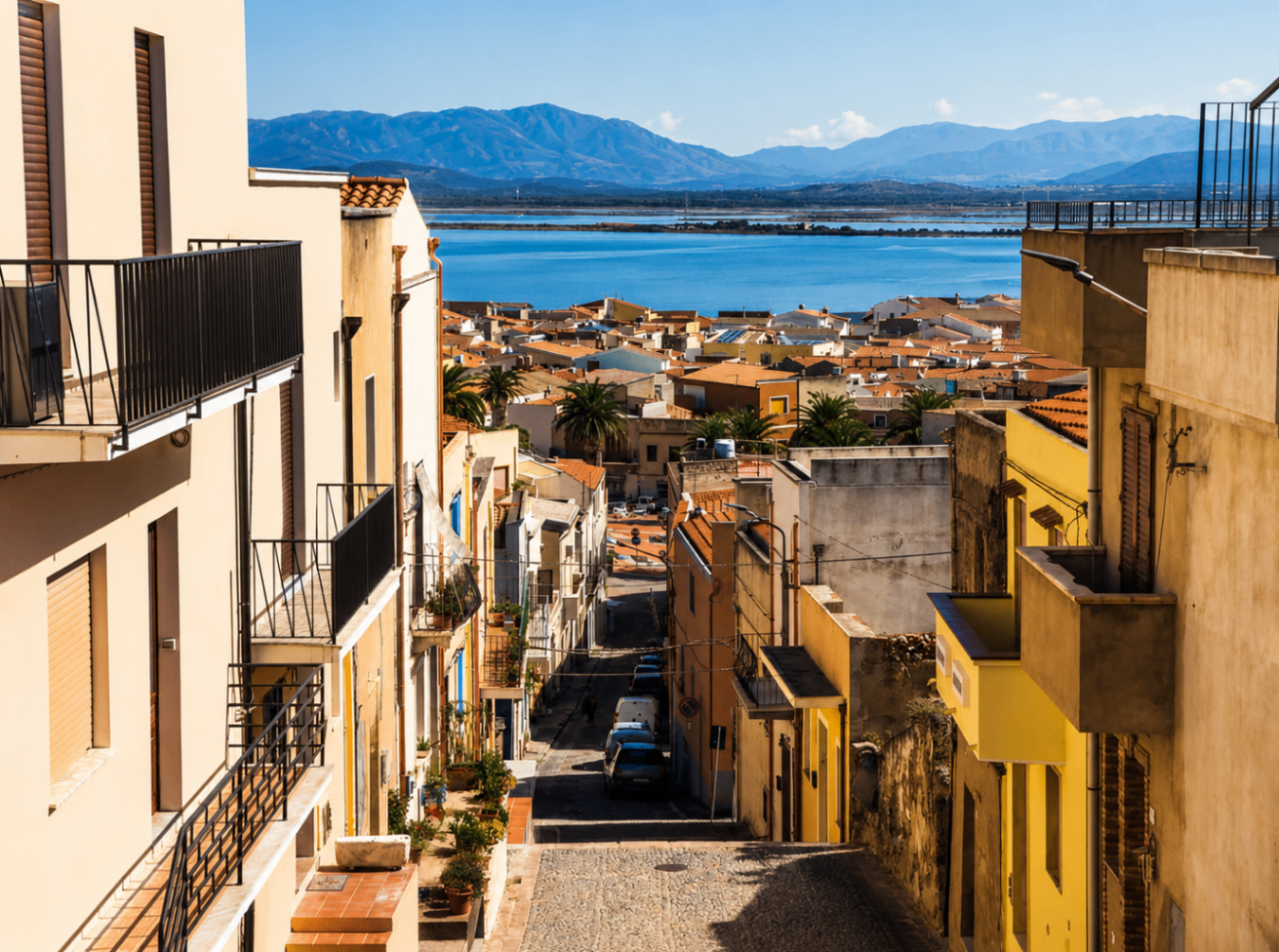
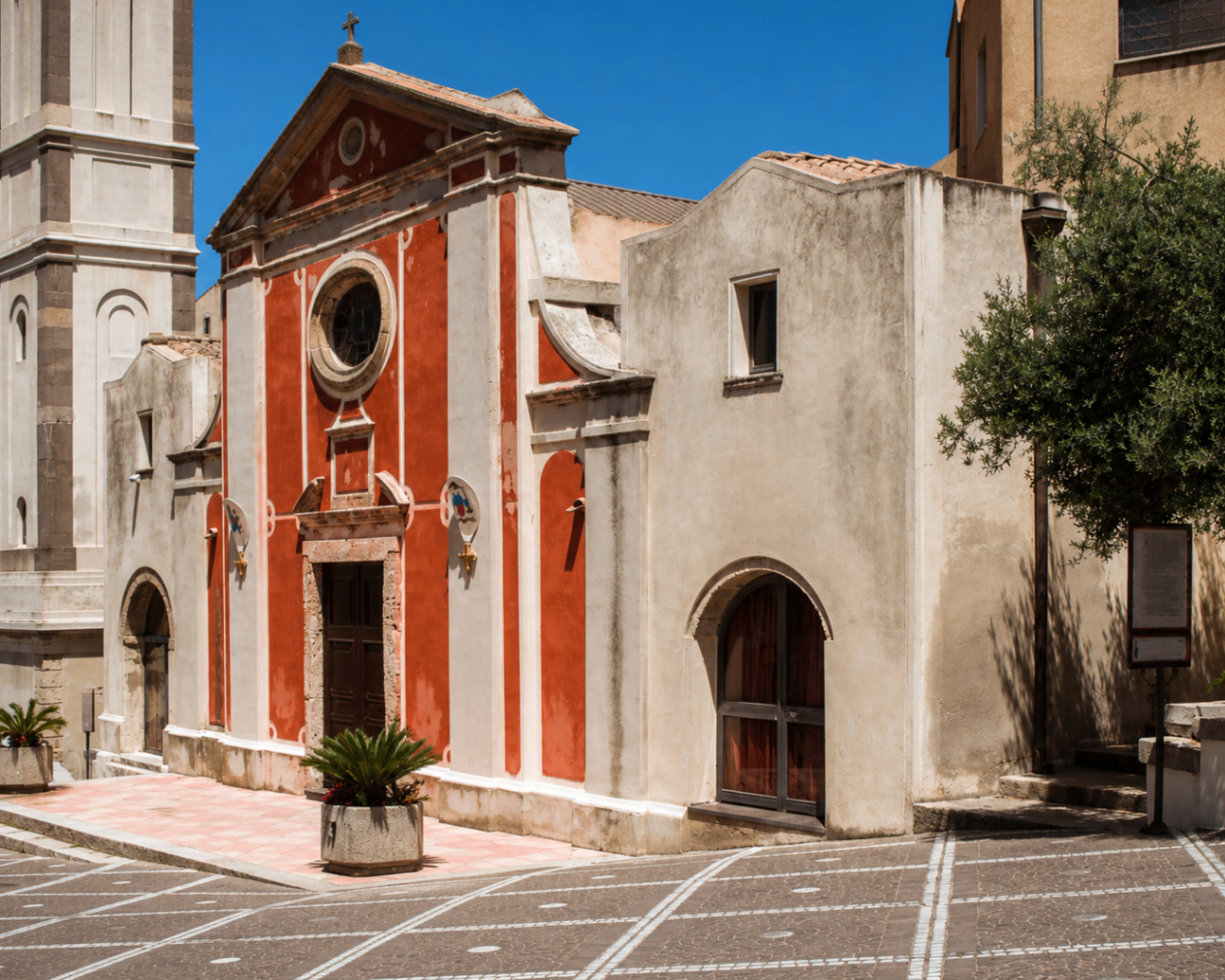
Colourful lanes, a fishing harbour, a morning market. Sant'Antioco lives all year — it is not a set that closes in September.
At dawn the boats come in with their creels. You choose tonight's fish here, before the town wakes.
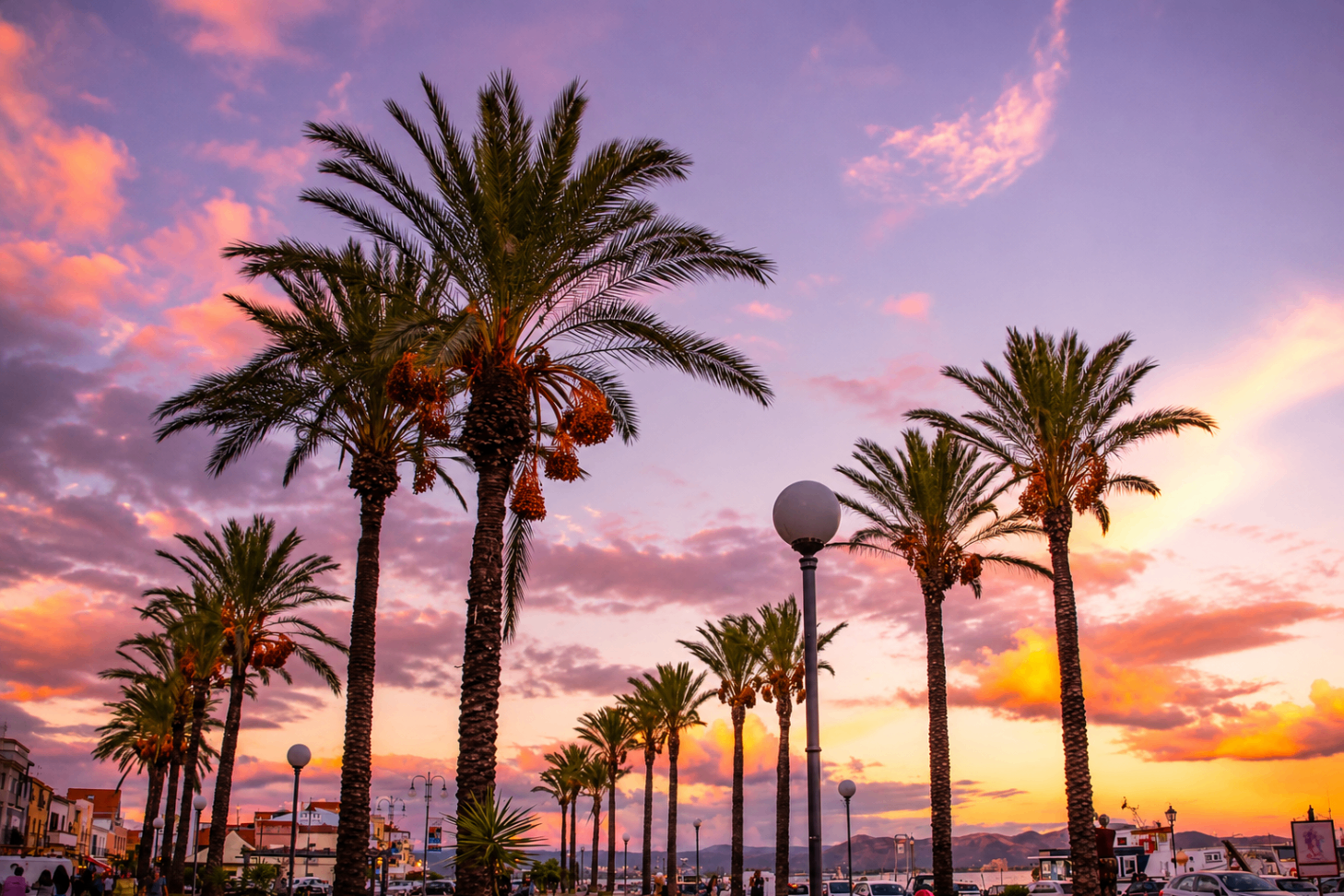
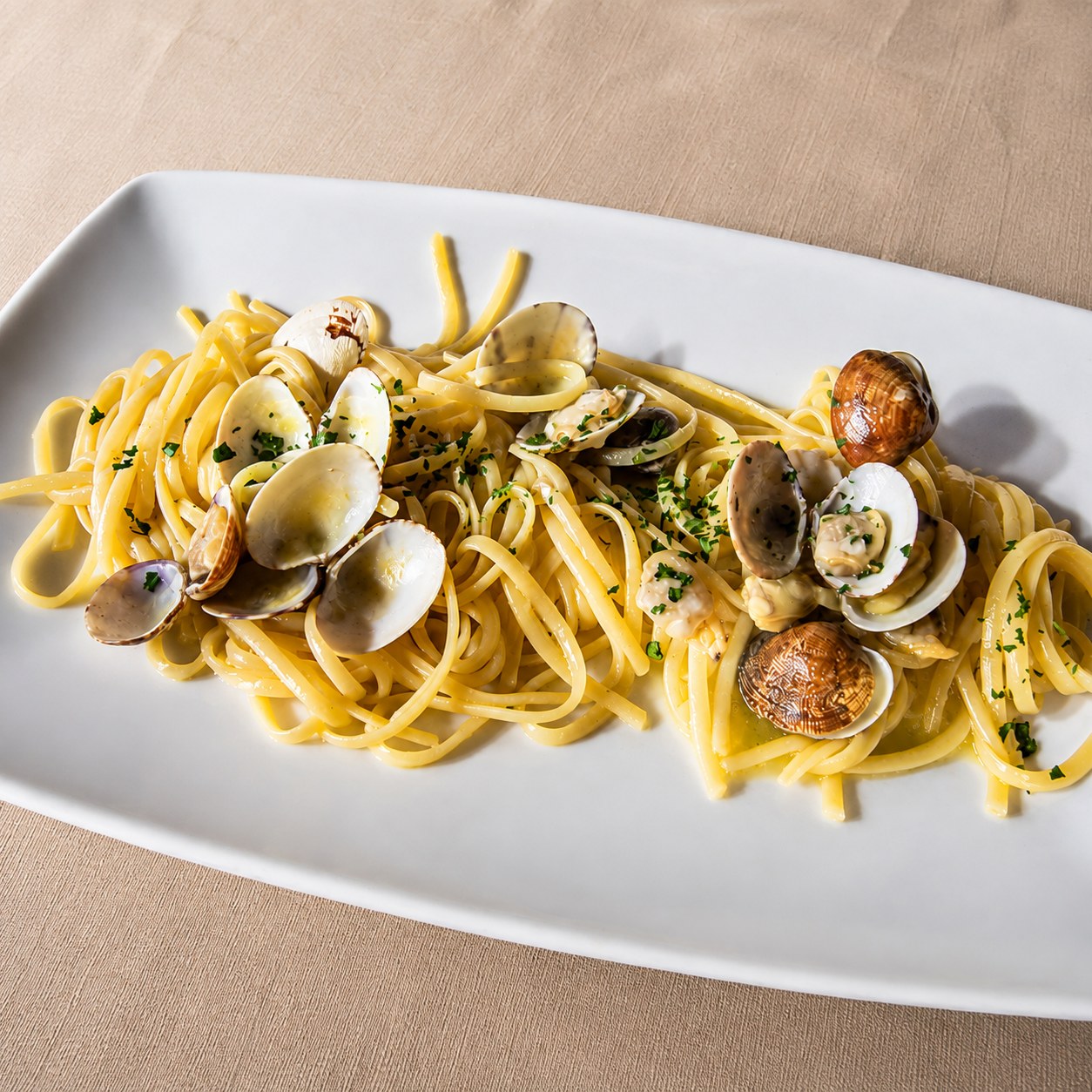
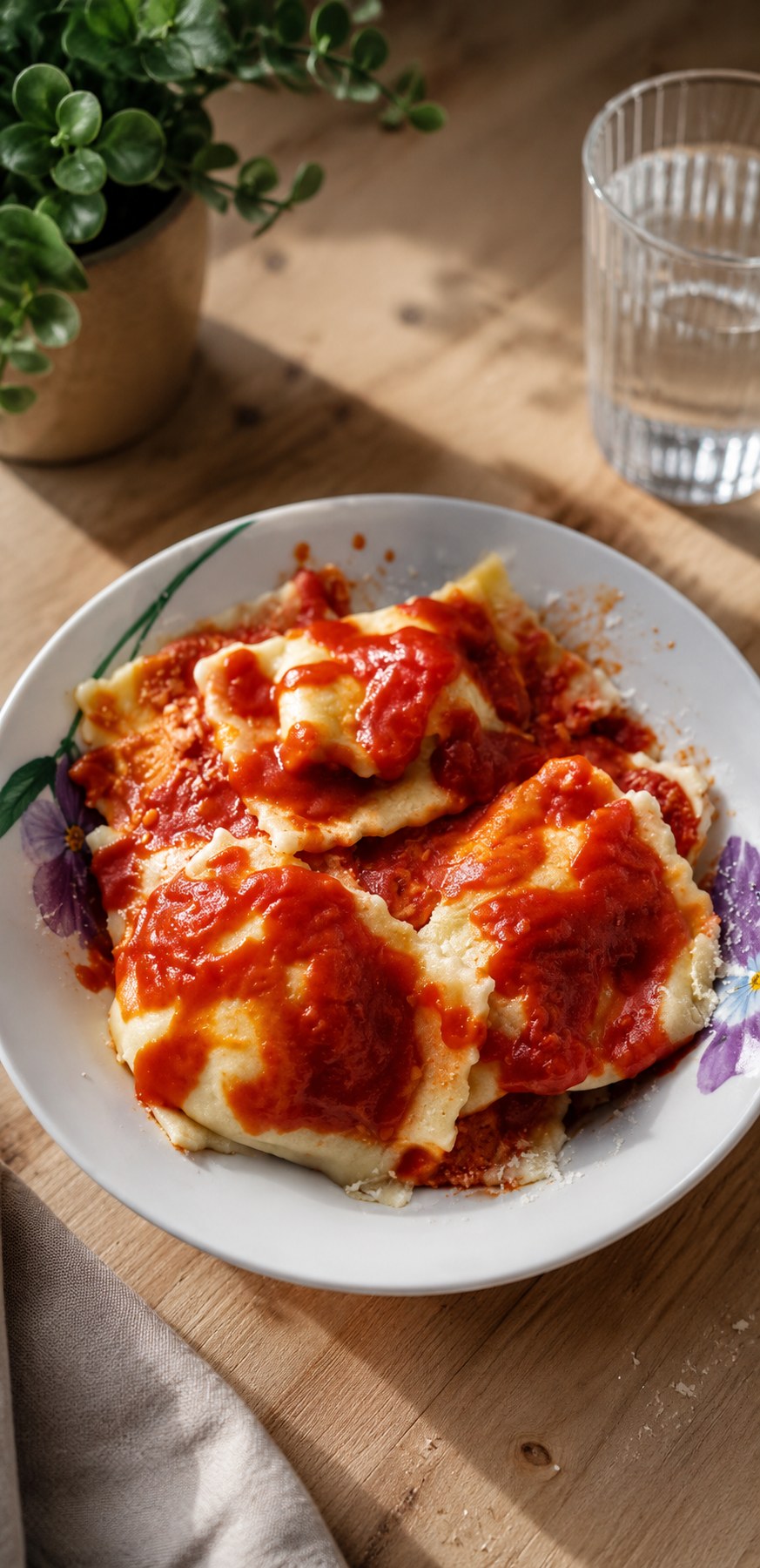
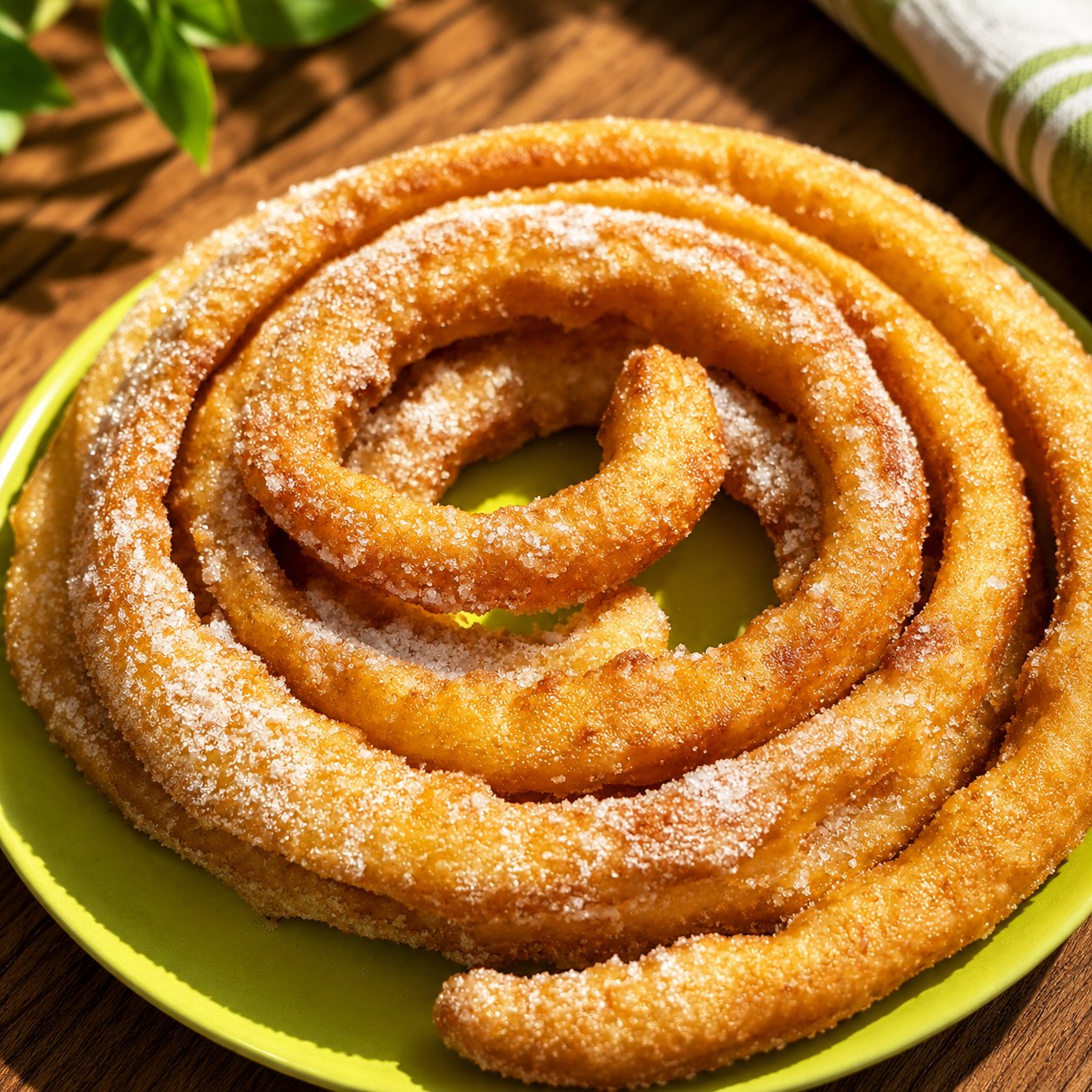
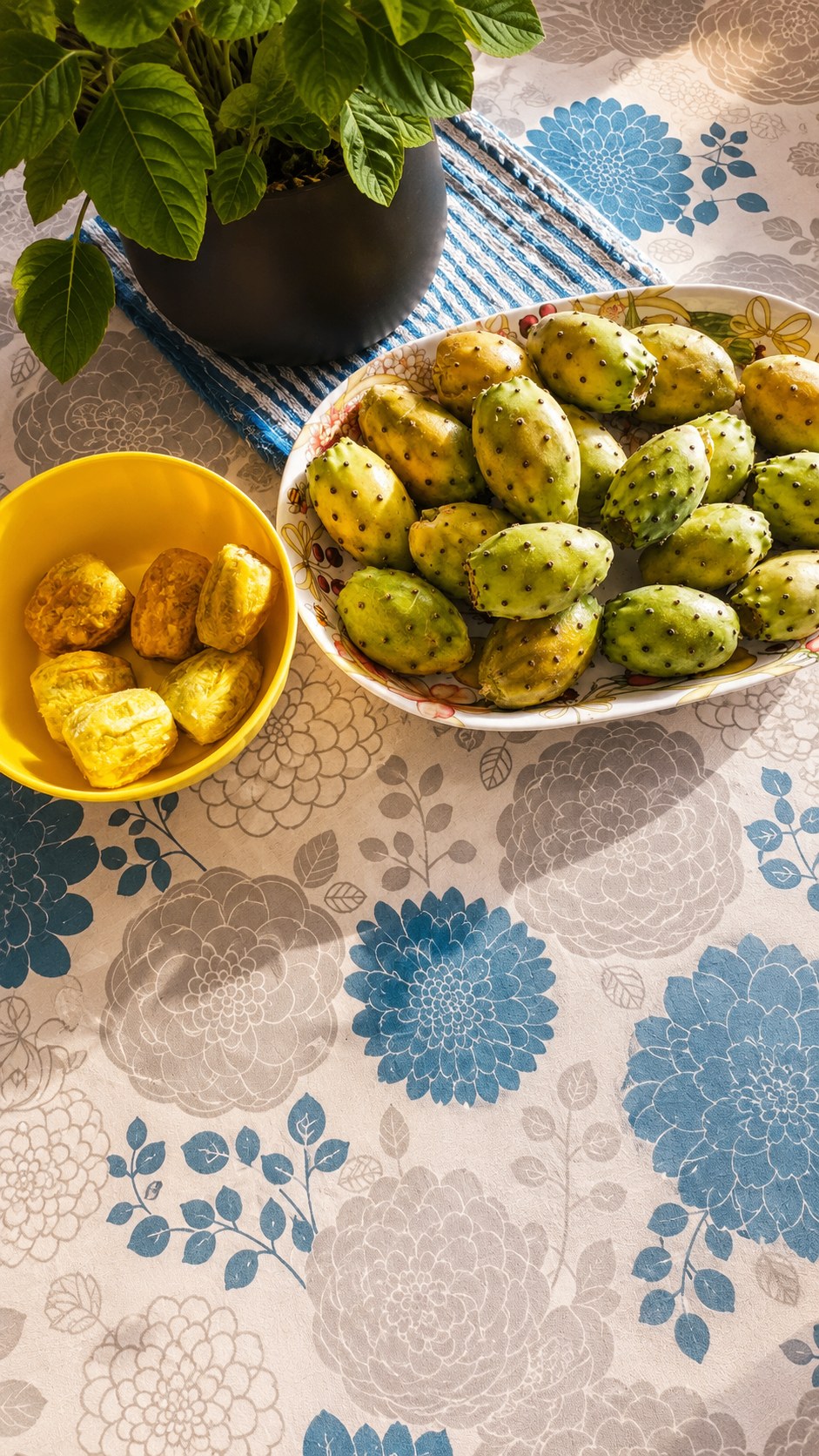
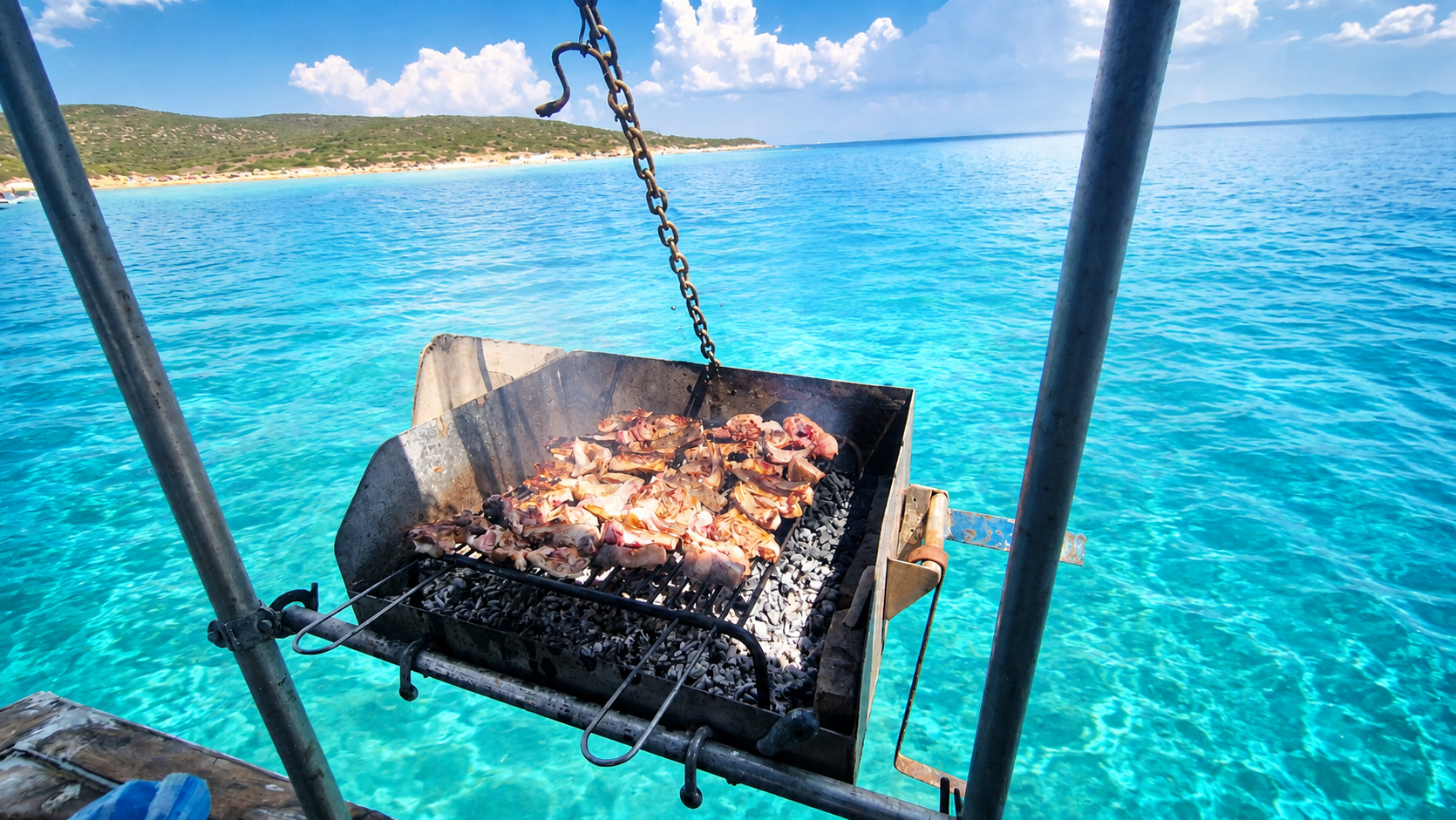
Fregola with clams, bottarga grated over spaghetti, pane carasau, Carignano del Sulcis in a frosted glass. Sardinia is eaten slowly.
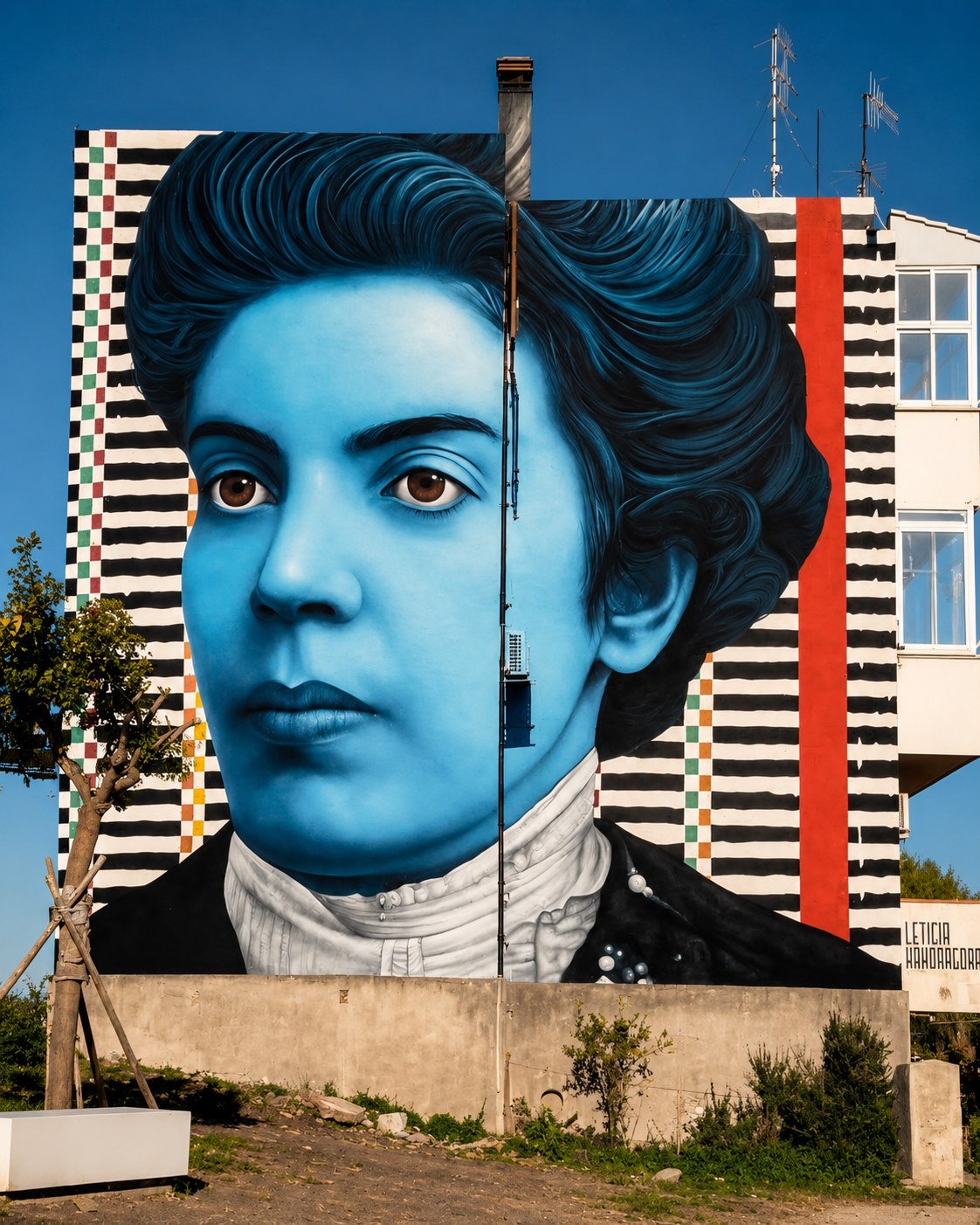
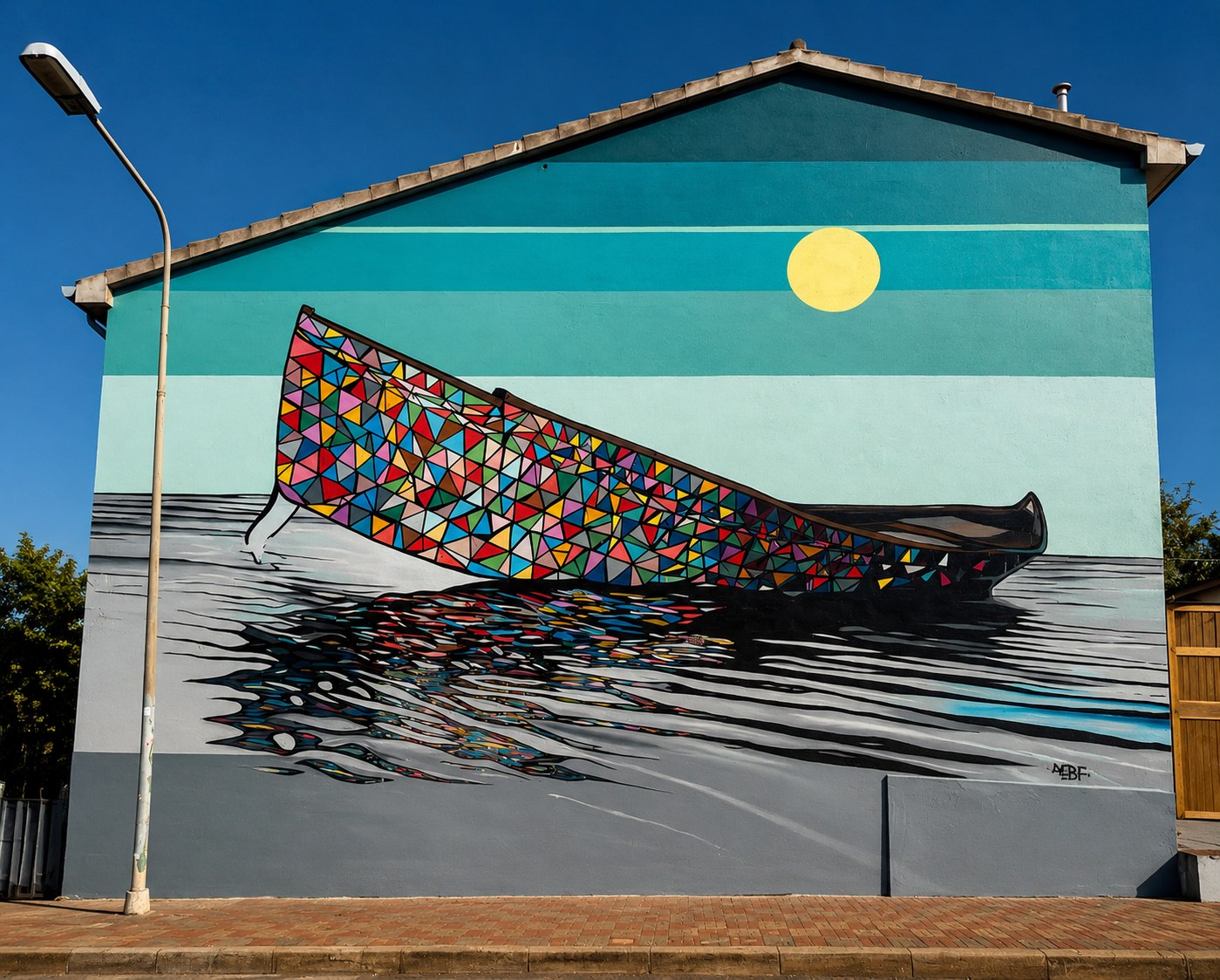
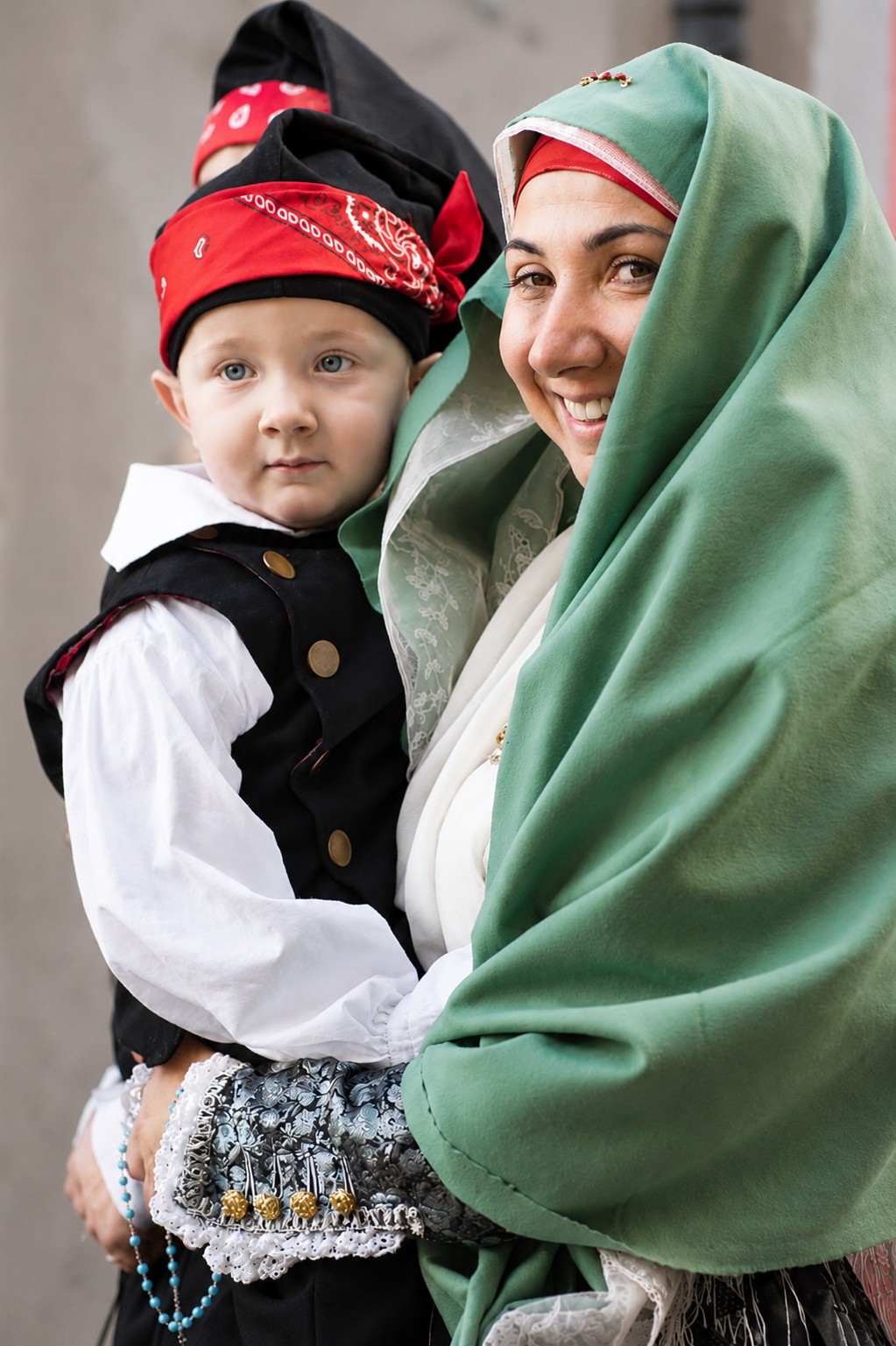
In the streets, Punic heritage meets a new generation of artists. The walls tell stories of women, fishermen and the island’s ancient patterns.
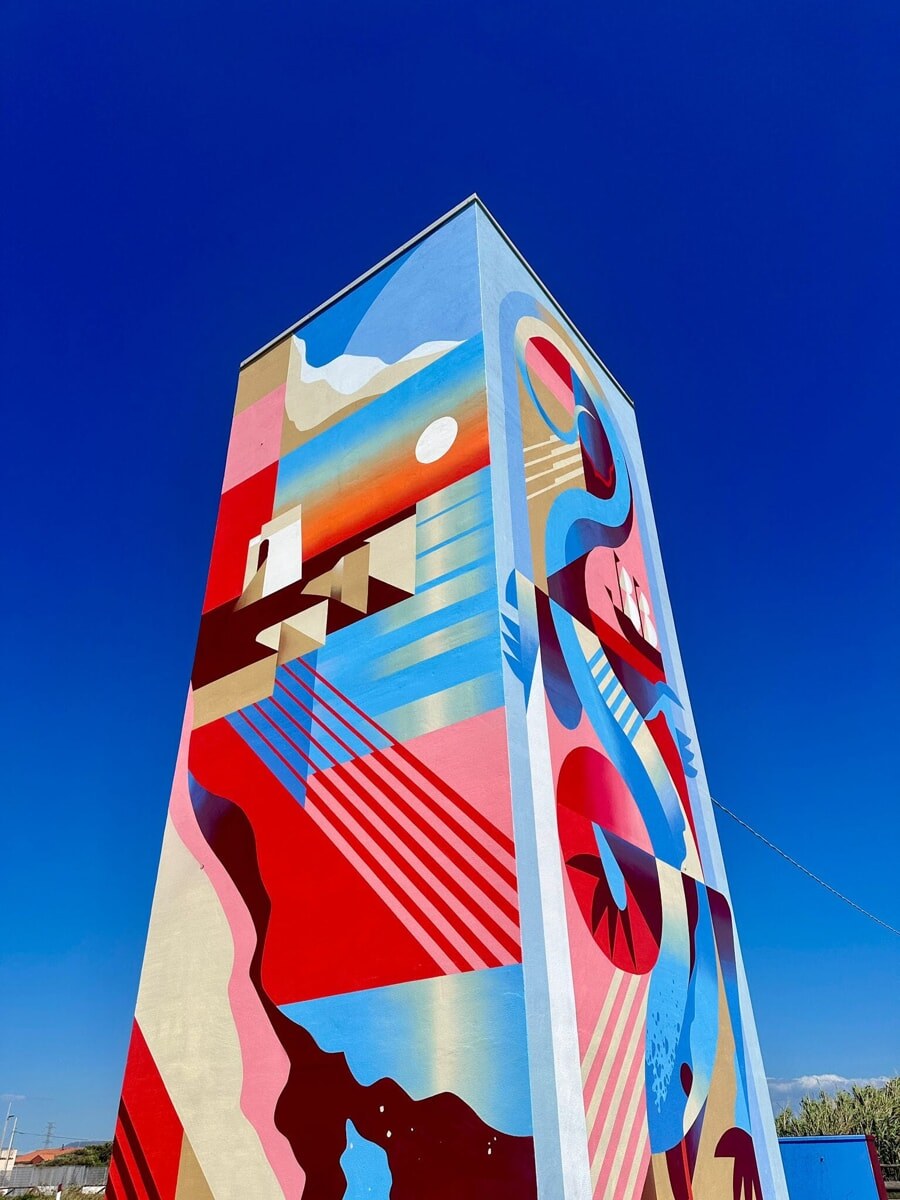
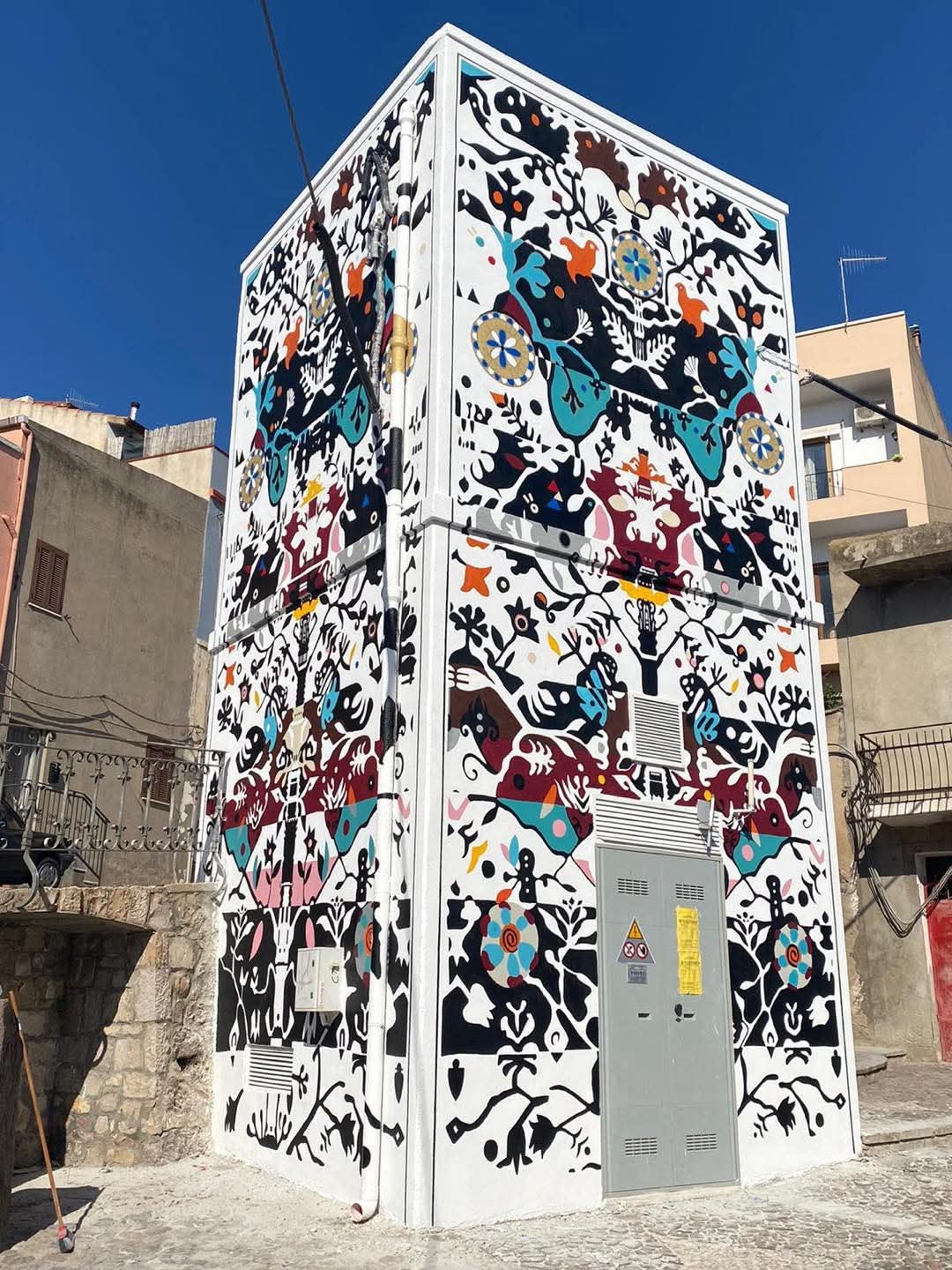
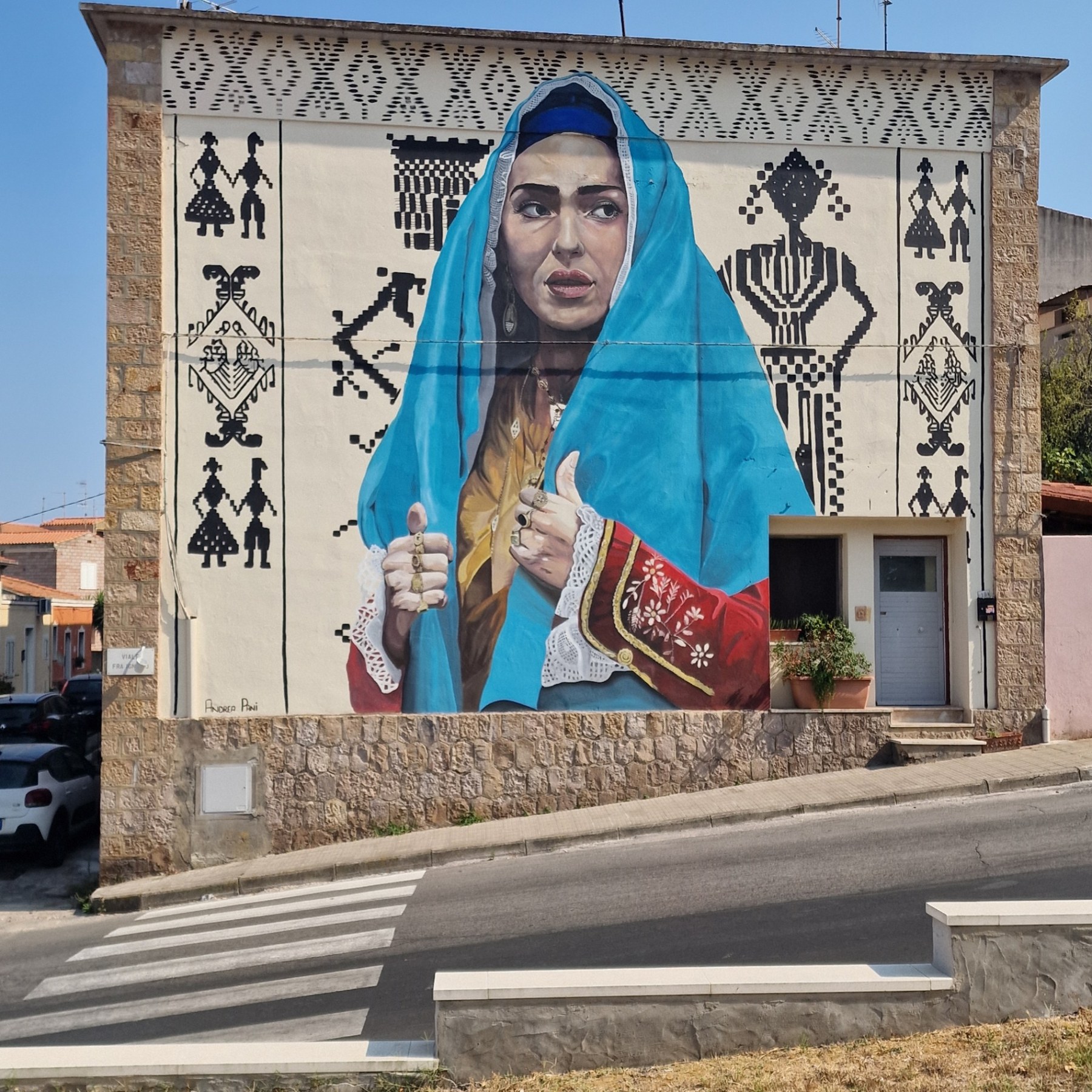
Sant'Antioco is not a seaside resort: it is Sulky, founded by the Phoenicians almost three millennia ago — the oldest town in Sardinia. You still dine where amphorae were once unloaded.
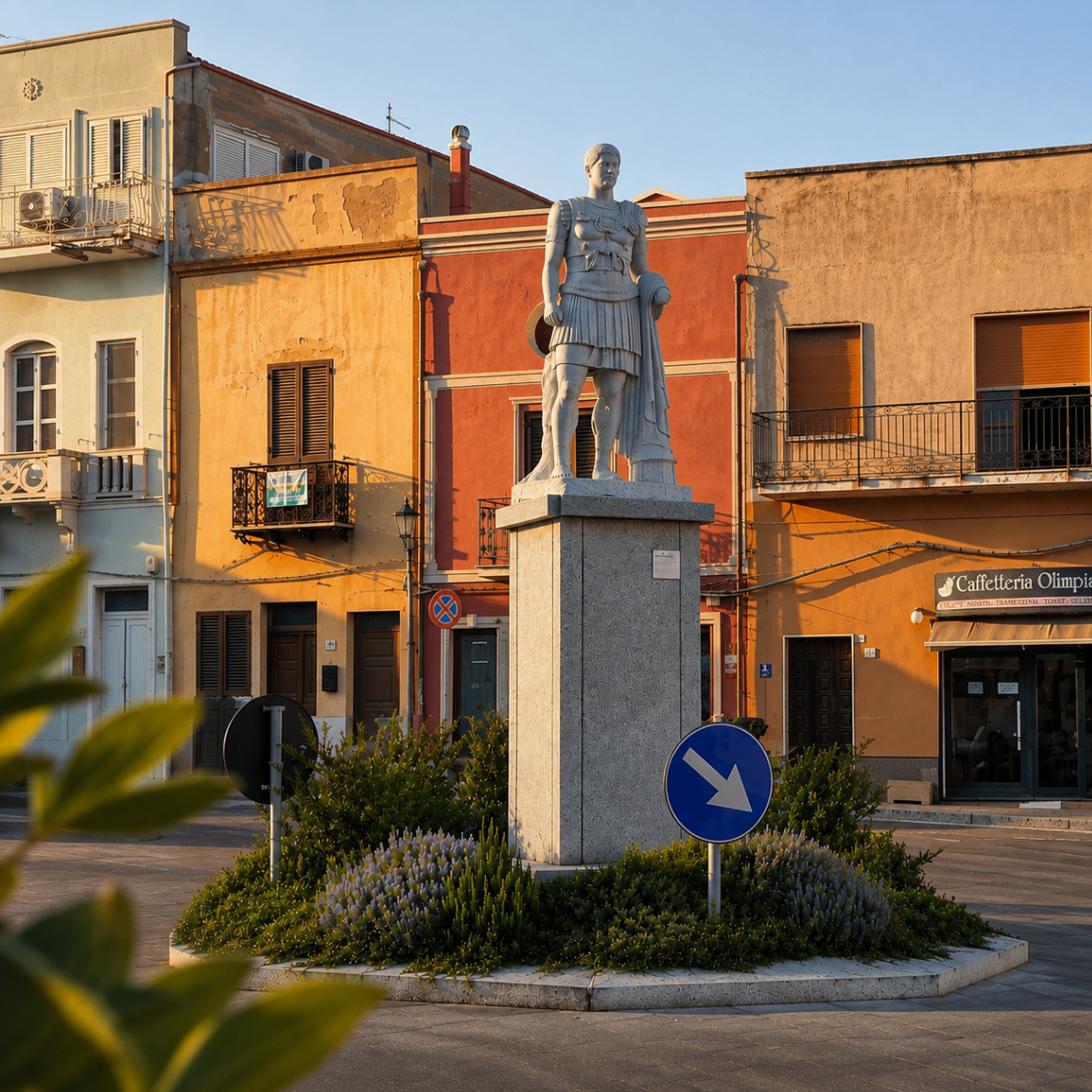
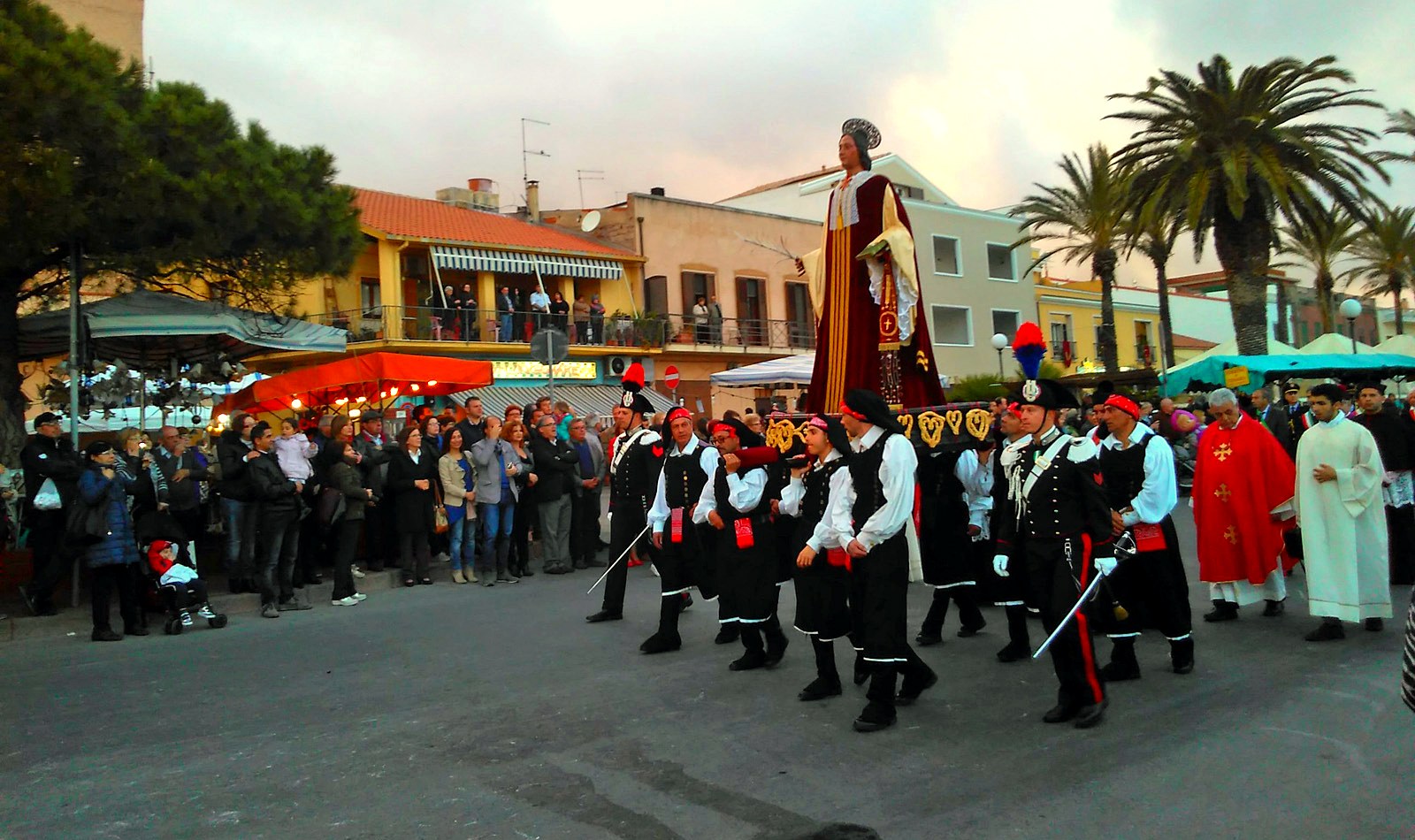
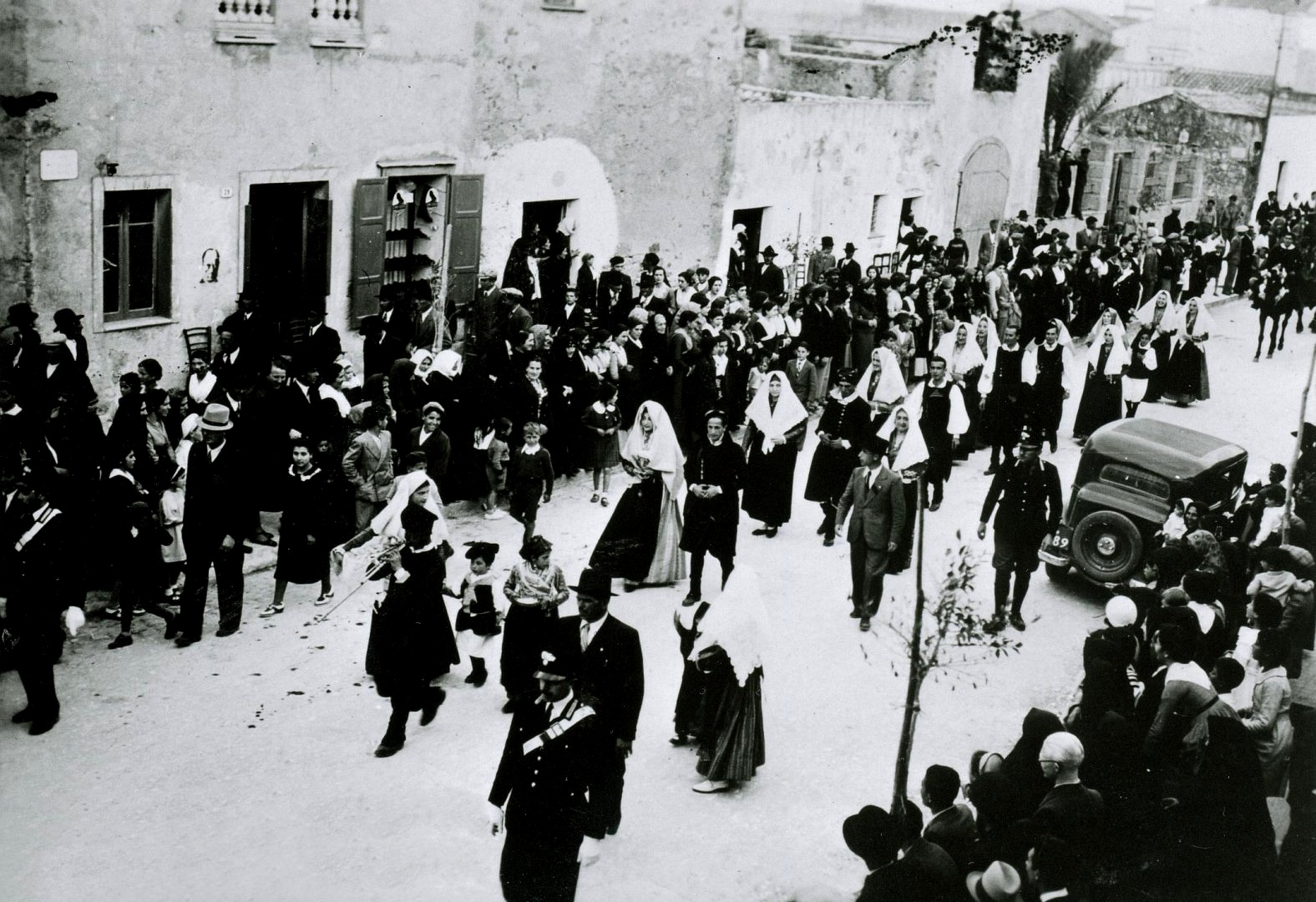
Photographs: personal archive. Island view from the sea: Alex10 (CC BY-SA 3.0). Procession 2015: Alex10 (CC BY-SA 4.0). Procession 1937: Archivio Storico Comunale di Sant'Antioco (CC0).